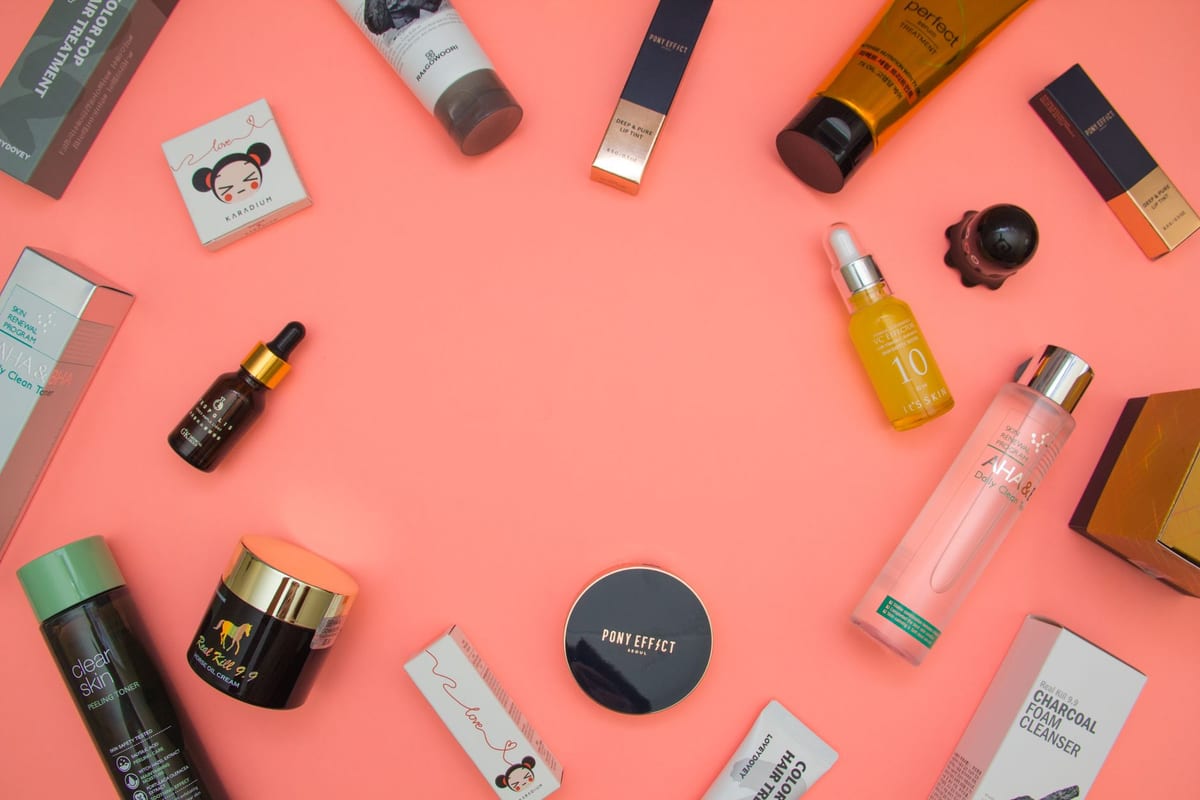
The famous ten-step routine was never a rulebook. It came from a magazine article describing what some Korean women did, got repeated until it hardened into instruction, and now intimidates people out of starting at all.
Here’s what each step does, whether it earns its place, and what to buy if you own nothing.
The steps, ranked by whether they matter
Essential, in the sense that skipping them undoes the rest:
- Cleanser. Something that removes the day without leaving your face tight. Tightness after washing means the cleanser is too harsh, regardless of what it cost.
- Moisturiser. Holds water in. Texture is preference; the sealing function is not optional.
- Sunscreen. Every morning, all year. This single step outperforms everything else in the routine for long-term skin quality, and it’s the one most beginners treat as optional.
Worth adding once those are consistent:
- Oil cleanser. Only if you wear makeup or sunscreen, which you should be. Water-based cleansers don’t fully remove either, and double cleansing exists to solve that specific problem.
- Hydrating toner. A layer of water applied to damp skin. Genuinely useful, particularly for dry skin.
- Serum. The step that addresses your actual concern rather than general maintenance. One at a time, so you can tell what’s working.
Optional, despite the emphasis they get:
- Essence. A light hydration layer between toner and serum. Real, but the least noticeable step in the entire routine for most people.
- Sheet masks. Pleasant, hydrating for a few hours, and no substitute for anything. Treat them as a small ritual rather than a treatment.
- Ampoule. A more concentrated serum. If you already use a serum, this is often duplication.
- Eye cream. Contentious. Frequently a moisturiser in a smaller jar at a higher price. Worth it if it contains something your face moisturiser doesn’t.
If you own nothing
Buy three things: a gentle cleanser, a moisturiser suited to your skin type, and a sunscreen you’ll actually wear.
That’s it. Use them for a month. This isn’t a beginner-friendly simplification of a real routine, it’s most of the benefit, and adding steps before these three are automatic tends to end in a shelf of half-used bottles.
Once that’s habitual, add one product at a time and give each six weeks. Adding three at once means learning nothing about which of them helped.
The order, and why it matters
Thinnest first, thickest last. Water-based before oil-based.
The reason is mechanical rather than mystical: heavier products form a barrier that lighter ones can’t penetrate. Apply a rich cream and then a watery essence, and the essence mostly sits on top of the cream.
A working order: oil cleanser, water cleanser, toner, essence, serum, eye cream, moisturiser, sunscreen. Remove whichever steps you don’t own and the sequence still holds.
Things beginners get wrong
Too much active ingredient, too fast. Retinol, acids and vitamin C all work, and all irritate skin that hasn’t been introduced to them gradually. Start with one, twice a week, and increase slowly.
Exfoliating every day. Twice a week is plenty for most people. Daily exfoliation produces the red, tight, sensitised skin that gets mistaken for a reaction to something else.
Changing everything when something goes wrong. If you’re using six products and your skin reacts, changing all six teaches you nothing. Remove one.
Judging in week one. Skin cell turnover takes about a month. Nothing you apply produces a fair verdict in seven days, except irritation.
Buying for the packaging. The Korean skincare aisle is unusually good at design, and beautiful bottles have no relationship to what’s inside.
About the trend part
Korean skincare has a genuine advantage: the market is competitive, formulations move faster, and things like lightweight sunscreen textures arrived there years before Western brands caught up.
It also has a marketing machine, and “K-beauty” as a label covers everything from carefully formulated products to novelty items that exist to be photographed. The country of origin tells you nothing about whether a specific product is good.
Judge the ingredient list and the texture. Ignore the flag on the box.
What this routine doesn’t do
It doesn’t work faster because it has more steps. Ten steps of hydration hydrate roughly as well as four.
It doesn’t overcome sun damage. Sunscreen prevents. Nothing in the routine reverses what accumulated before you started wearing it.
It doesn’t treat acne. Persistent or cystic acne is a medical issue, and a hydration routine is not treatment. That’s a dermatologist’s territory, and going there sooner rather than after eighteen months of experimenting is the cheaper path.
It doesn’t need to be Korean. The principles here work with products from anywhere. What made this routine worth copying was the sequence and the emphasis on hydration, not the postcode of the manufacturer.